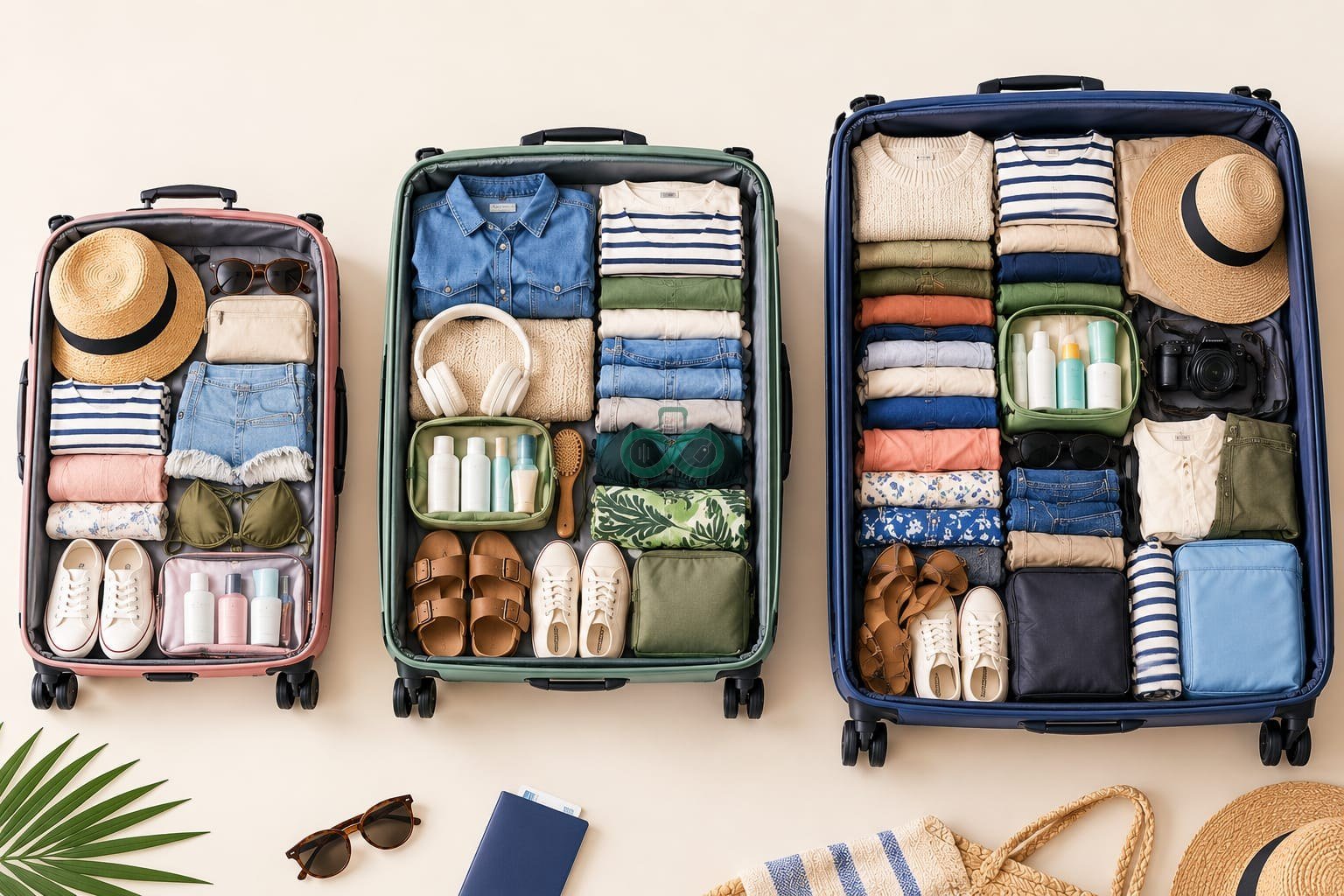
Which suitcase do you need for 3, 7 and 14 days
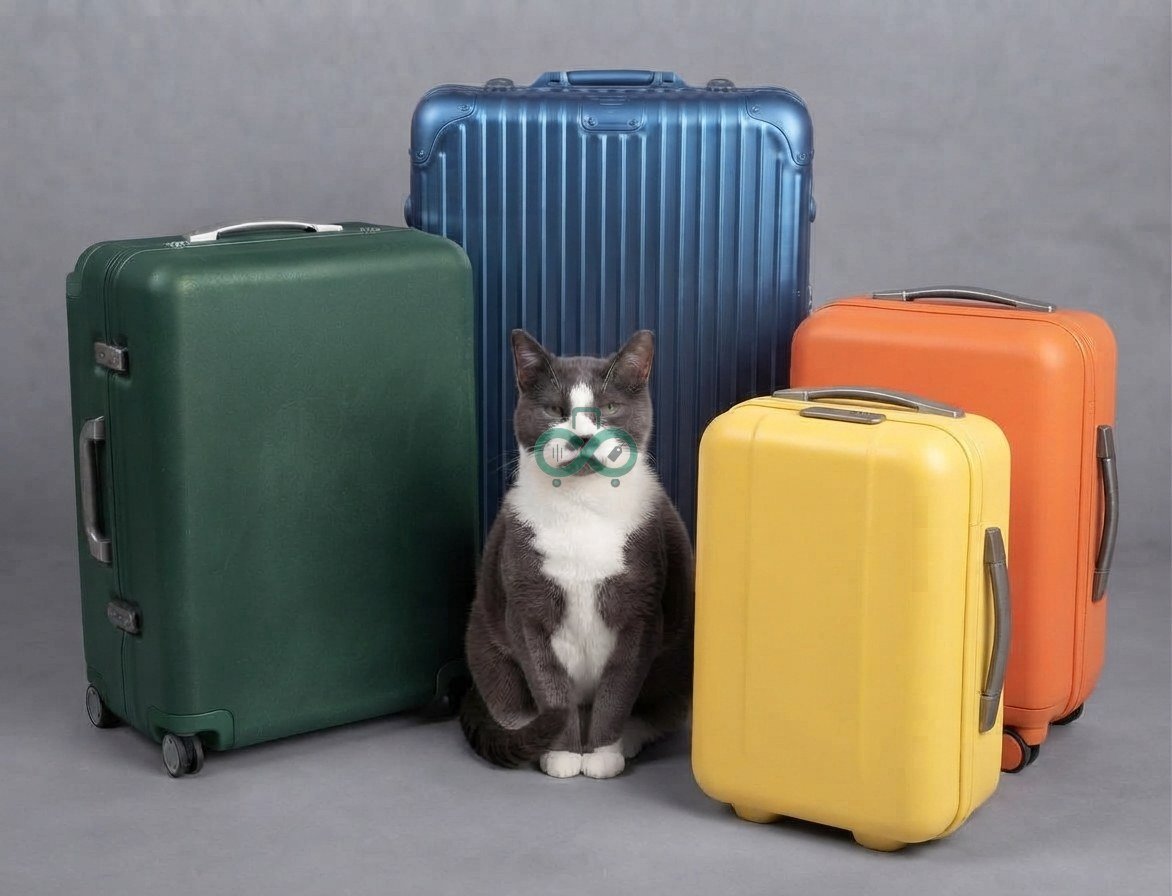
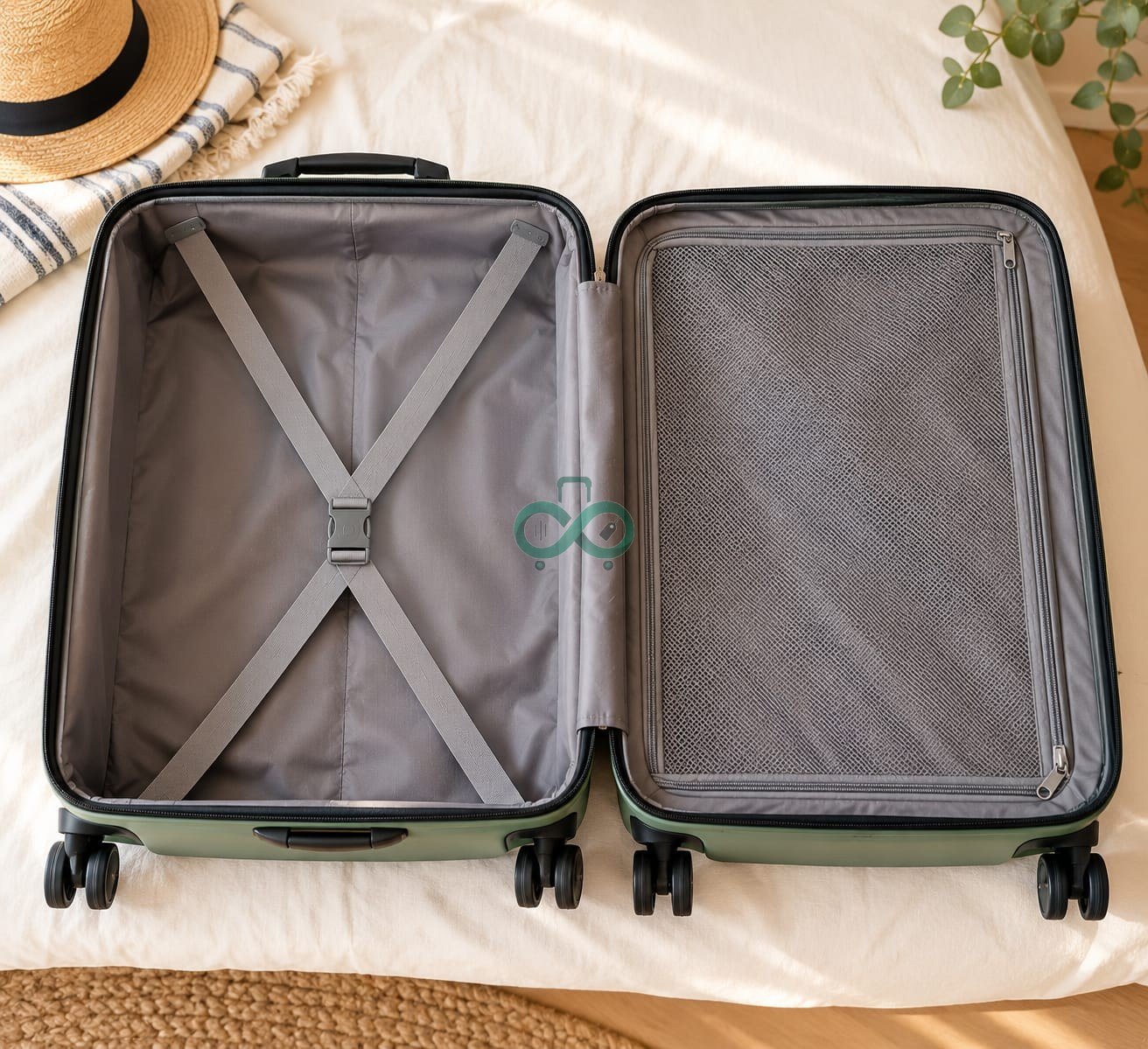
for a few days, cabin baggage (size S) is enough. For a week, a medium suitcase (M). For two weeks, a large one (L) — or a medium one if you plan to do laundry on the way.
ReadArticles about renting suitcases and travel gear.
for a few days, cabin baggage (size S) is enough. For a week, a medium suitcase (M). For two weeks, a large one (L) — or a medium one if you plan to do laundry on the way.
Readpolycarbonate is the best choice for most travellers: it is light, flexible and strong. ABS is cheaper but heavier and can crack on impact. Aluminium is the strongest and most prestigious, but heavy, expensive and prone to dents. The lightest hard shells are made of polypropylene.
ReadS is cabin baggage for a weekend or a short business trip. M is the most popular size and is enough for one to one and a half weeks. L is for a holiday of two weeks or more, or for two people. XL is for long moves, family trips and bulky things such as winter clothes.
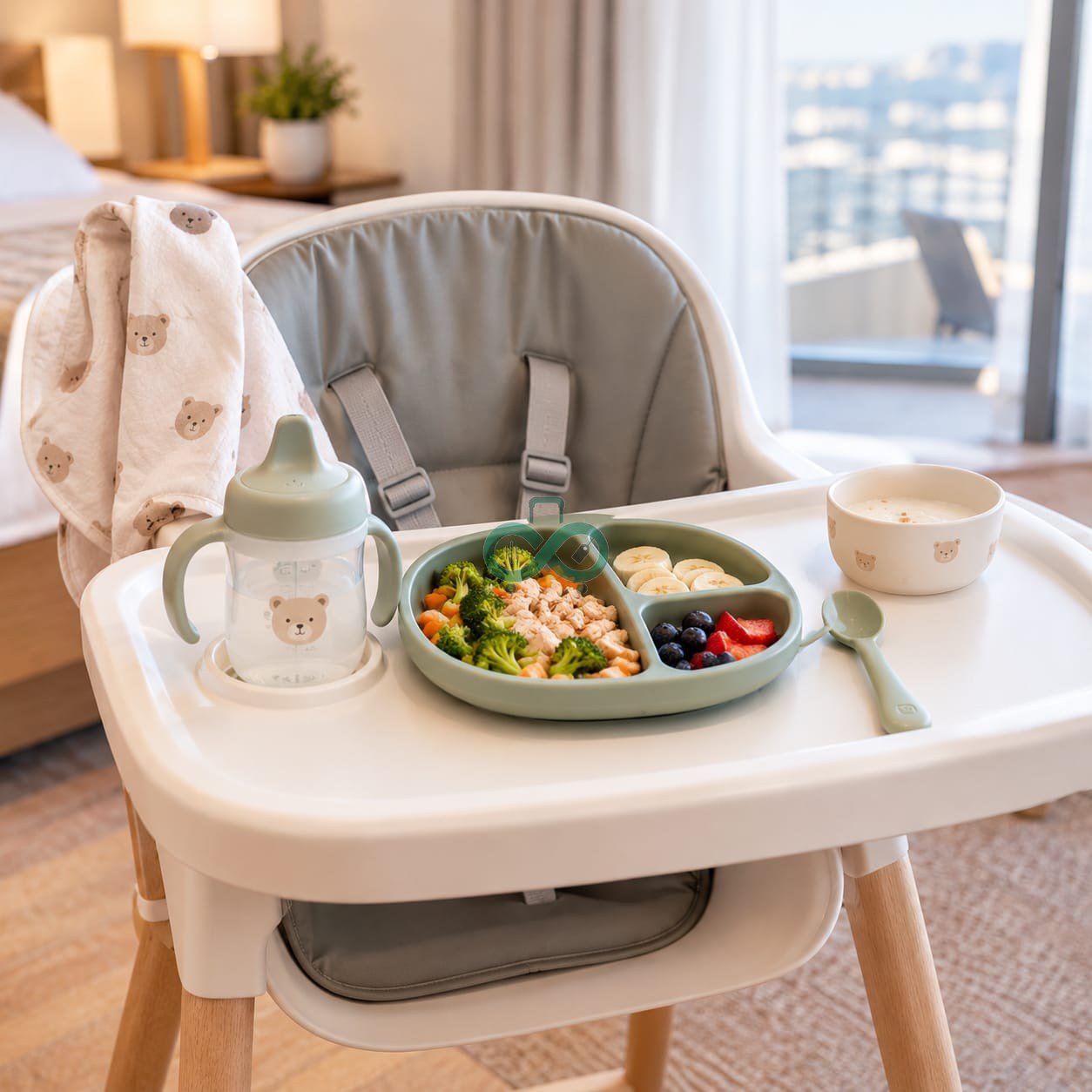
Readif there is no high chair, you have several options: rent one locally, use a compact fabric seat or a booster that straps to an ordinary chair, or a table-edge chair that clamps to the table. Babies who cannot sit up yet are easier to feed in your arms or in a bouncer.
Readcamping with children calls for a tent with room to spare, warm sleeping bags, mats, a camp kitchen, a first aid kit, spare clothes "just in case", lamps and things to keep the children busy. Most of this gear can be rented if you do not go camping all the time.
ReadTo get your suitcase through a flight, choose a sturdy shell, close it with a lock that security can open without breaking it, keep valuables out of your checked baggage, remove old tags and photograph the suitcase when you hand it in and when you collect it. If it gets damaged, file a report at the airport straight away, and the "Baggage safe and sound" tool on the home page will help. Sharinity offers you ...
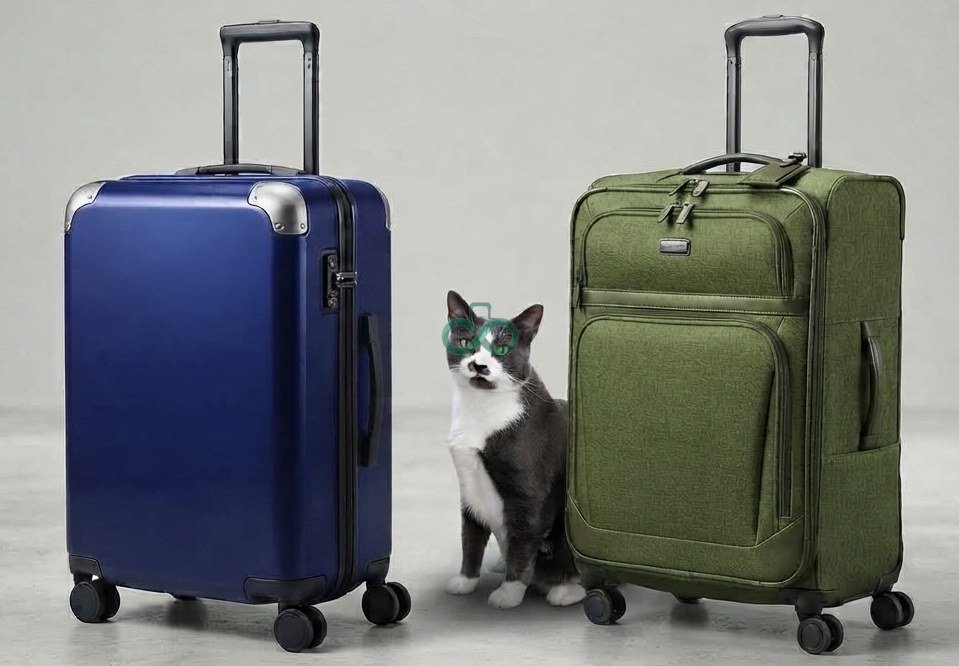
Reada hard suitcase protects fragile things better and is not afraid of rain. A soft one squeezes into the overhead bin and the sizer more easily, has outer pockets and can be expanded. For frequent flights with checked baggage we recommend a hard one; for cabin baggage and car trips, a soft one.
ReadSeven frames that keep the check-in desk from taking your money.
Readthe main ways to save are flexible dates, travelling out of season, cabin baggage instead of checked baggage, accommodation with a kitchen, public transport and renting gear instead of buying it.
Readit is not worth buying things you need once or twice a year: a large suitcase, ski gear, a tent, a hiking backpack, a travel pushchair and so on. Renting them is the better deal.
Readwhen gear is rented, one item is used by many people. That means fewer new suitcases, tents and backpacks are made, and fewer old things end up in landfill. It is one of the simplest ways to travel more sustainably without changing your habits.
Readfor a first flight with a baby, take the child's documents, plenty of nappies and spare clothes, more food than you think you need, a dummy or bottle for take-off and landing, a sling or baby carrier and children's ear defenders. The ear defenders are often forgotten, yet they are exactly what helps a baby cope with the engine noise and fall asleep on board. They are easy to rent for the trip.
Readthe best things to rent are children's items that are bulky, expensive and needed only briefly: a pushchair, a travel cot, a high chair, a car seat, a baby carrier, children's ear defenders, a bike seat, a sledge, children's ski gear and a child's suitcase.
Readtravelling light comes down to a simple system: a capsule wardrobe of pieces that match, laundry on the way, cosmetics in small bottles or in solid form, packing organisers and renting bulky gear locally. With this approach, cabin baggage is enough for a week or more.
Readto avoid paying extra for baggage, pay for it online in advance rather than at the airport, weigh your suitcase at home, check your airline's cabin baggage sizes, wear your heaviest clothes for the journey and rent bulky gear locally instead of carrying it with you.
Readif your child is small and you fly once or twice a year, renting is usually the better deal. Children quickly outgrow "children's" suitcases, and the suitcases themselves sit unused most of the time. Buying makes sense if the family travels often and the child is old enough to use the suitcase for several years.
Readan ordinary suitcase weighs between two and a half and five kilograms, depending on size and material. The lightest cabin models weigh under two kilograms. The weight of the empty suitcase counts towards the airline's allowance, so a light suitcase leaves more room for your things.
Readto avoid carrying half your home with you, rent bulky children's items locally (pushchair, cot, high chair, car seat), buy nappies and baby toiletries on arrival, choose accommodation with a washing machine and pack clothes on the "fewer but more comfortable" principle. That way a family with a baby can manage with one suitcase and cabin baggage.
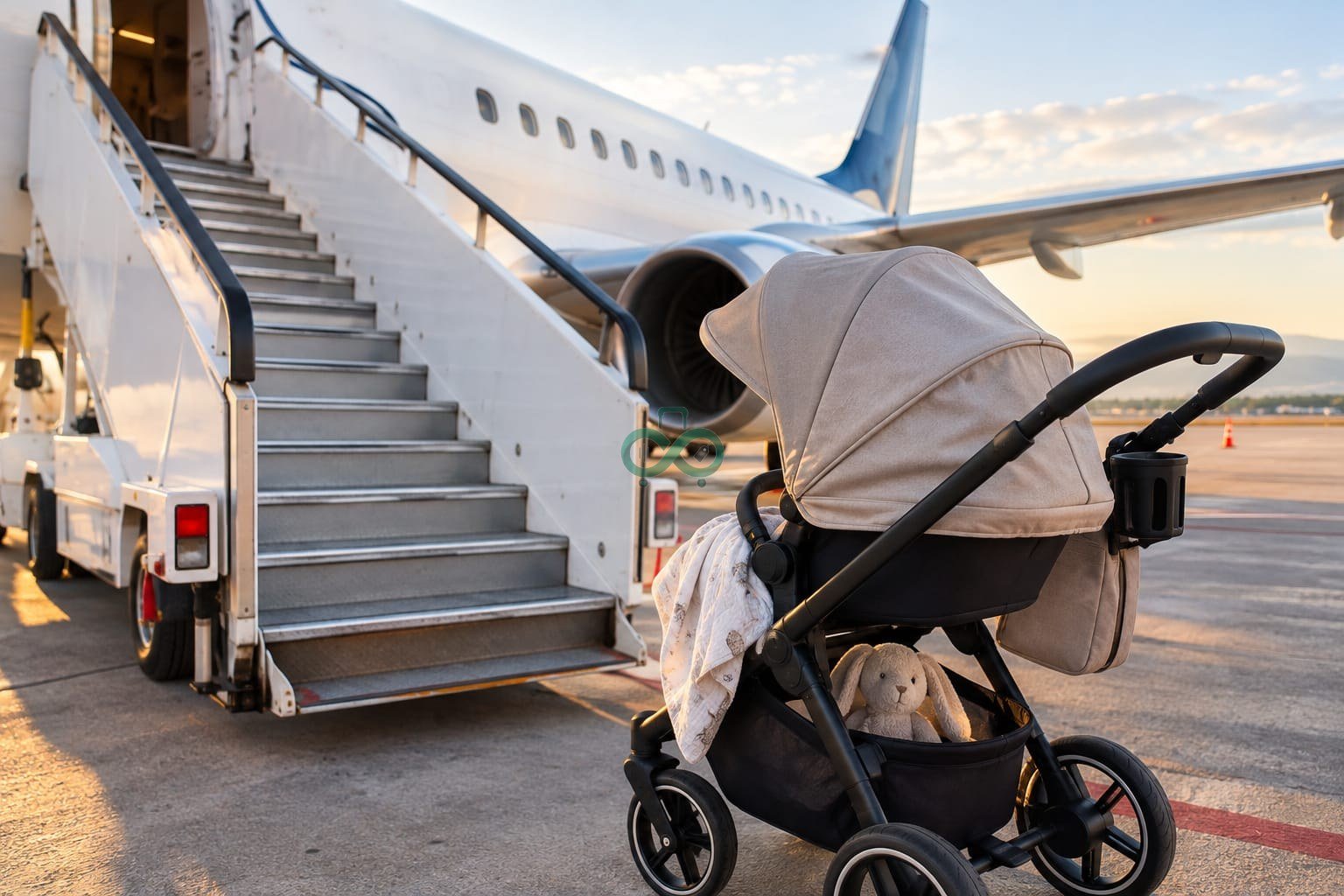
Readyes. Most airlines carry a pushchair free of charge, on top of your baggage allowance. You can hand it in at check-in or at the gate, and then your child rides in it right up to the aircraft. Some airlines allow compact folding pushchairs in the cabin if they fit the cabin baggage size. The exact rules depend on the airline, so check them before your trip.
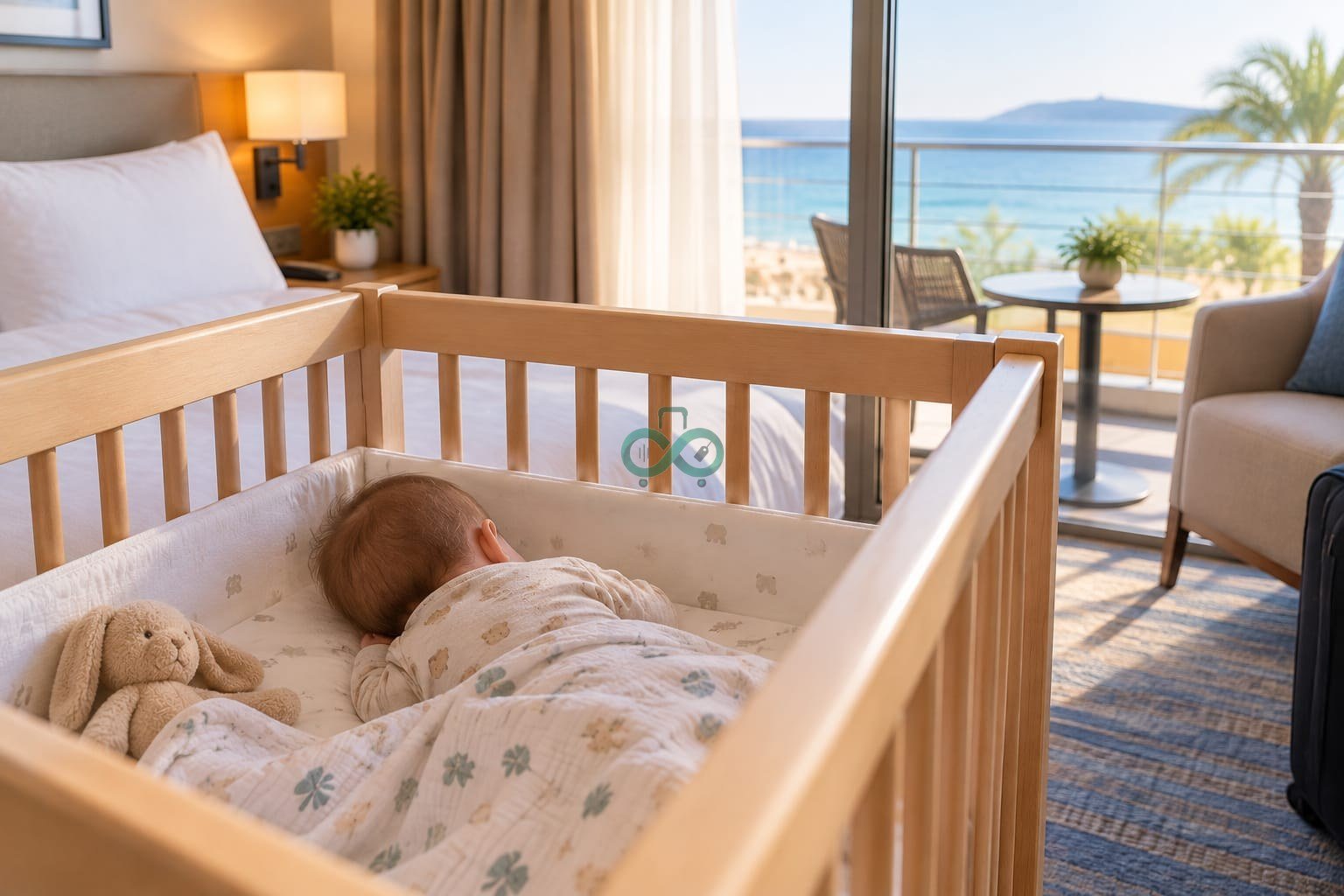
Readthe main thing for a baby's sleep in an apartment is a safe separate sleeping place. A travel cot with a firm, even mattress works best. You do not have to bring it with you: a cot can be rented locally. Add blackout, the usual bedtime rituals and a familiar thing from home, and your baby will fall asleep almost the same way as at home.
Read