
Polycarbonate, ABS or aluminium: a comparison of materials
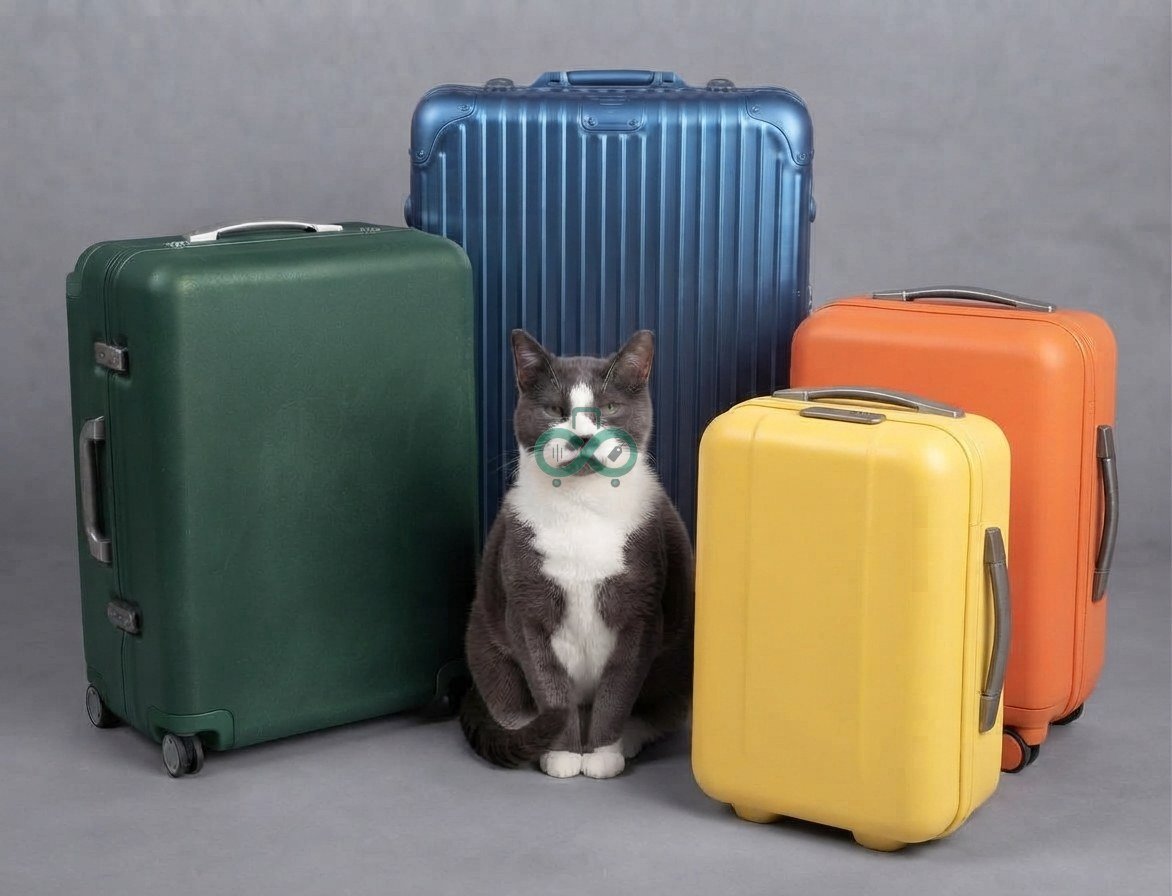
In short: polycarbonate is the best choice for most travellers — it is light, flexible and strong. ABS is cheaper but heavier and can crack on impact. Aluminium is the strongest and the most prestigious, but heavy, expensive and it keeps dents. The lightest hard shells are made of polypropylene.
Polycarbonate. Hit the suitcase and polycarbonate flexes, then returns to shape. That is why it survives baggage belts and careless handlers. It is light and holds up for years. The downsides are visible scratches on glossy models and a higher price than ABS. A tip: choose a matte or textured surface and the scratches will be almost invisible.
ABS plastic. This is the budget option. It is more rigid than polycarbonate but less flexible: a hard knock, especially in the cold, can crack it. It is heavier. For one or two trips a year it is a fine choice; for frequent flights it is not. You will also find mixed ABS-and-polycarbonate shells: cheaper than pure polycarbonate and sturdier than pure ABS.
Aluminium. The classic of premium brands. Very strong, it protects the contents better than anything else. But it is heavy, expensive and it keeps dents. Some people like them as “travel marks”, others find them upsetting. If your baggage weight limit is strict, aluminium takes a noticeable part of the allowance before you have packed a thing.
Polypropylene. It is rarely talked about, but it is the lightest material for hard-shell suitcases. Good for cabin baggage, where every kilogram counts.
What to choose. For most people, polycarbonate. For rare trips and a tight budget, ABS or a mixed shell. For those who value status and are ready to pay and to carry the weight, aluminium. And if you want to try an expensive aluminium suitcase before buying one, rent it for a single trip.